
After years of observing elite defensive structures, the first thing you notice about successful backlines is the presence of a ball-playing center-back who dictates tempo from the deep. Gerard Pique represented the pinnacle of this archetype, blending physical presence with a vision usually reserved for mid-field playmakers. Those who analyze match data on platforms like Nowgoal often observe how his positioning allowed teams to sustain high-pressing lines without compromising structural integrity. His ability to read the game was a psychological edge that allowed him to intercept passes before they reached their targets. This foresight made him an indispensable asset for both his club and the Spanish national team during their most dominant periods.
The role of a modern defender has shifted significantly from traditional stoppers to multifaceted architects of play. A significant portion of successful tactical setups now rely on defenders who can break lines with a single vertical pass. For those who study the evolution of the center-back position, the career of this legendary Catalan athlete serves as the primary case study for technical efficiency. While many defenders focus solely on clearing the ball, he prioritized retention and progression, ensuring his team remained in control of the narrative. Another key aspect of his game was his composure under pressure, a trait that helped stabilize teammates during high-stakes championship finals.
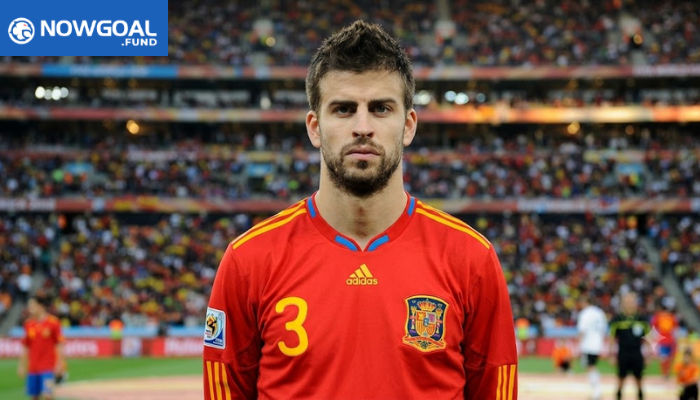
One thing very few actually pay attention to is how a defender’s height and aerial ability can be used as an offensive weapon. In addition to his defensive duties, he frequently contributed crucial goals, appearing in the box when his team needed a breakthrough. This dual-threat capability forced opponents to dedicate extra resources to marking him, creating space for other attackers. By monitoring live updates and player statistics on Nowgoal, analysts can see how his presence influenced win probability over nearly two decades. He was not just a protector of the goal but a participant in every phase of the game, from the initial buildup to the final finishing touch in the opposing penalty area.
The Technical Foundations of the Gerard Pique Style
The defensive philosophy employed by this iconic figure was rooted in space denial rather than aggressive tackling. He mastered the art of “jockeying” opponents, forcing them into wide areas where scoring potential was minimized. Notable for his calm demeanor, he rarely found himself out of position, which reduced the need for desperate recovery challenges that lead to bookings. This disciplined approach allowed him to maintain a high level of performance even as the game became faster and more transition-oriented. His career trajectory shows that intelligence can often compensate for a lack of raw sprinting speed, provided the player understands the geometry of the pitch.
For those who value statistical depth, the passing accuracy of Gerard Pique consistently ranked among the highest for defenders globally. He functioned as a secondary pivot, often dropping between central midfielders to create a numerical advantage during the first phase of play. This tactical flexibility was a hallmark of the teams he represented, allowing for a seamless transition from defense to attack. In addition, his height allowed him to dominate the air, winning a high percentage of duels against physical strikers. This combination of grace on the ball and strength in the air created a template for the next generation of defenders to follow.
Leadership and Influence Within the Defensive Unit
Communication is a vital component of any defensive partnership, and his vocal presence was a defining characteristic of his leadership. He was responsible for organizing the backline, ensuring the offside trap was executed with precision and that gaps between defenders were closed. A significant portion of his success can be attributed to his partnership with more aggressive defenders, where his calm style provided balance. This synergy is often highlighted in tactical reviews on Nowgoal, where the relationship between center-back pairings is scrutinized for efficiency. He understood that a defender’s job is a collective effort to maintain the team’s shape.
Another key aspect of his leadership was his ability to perform in the biggest moments, from World Cup finals to continental championships. He possessed a rare mental fortitude that allowed him to remain focused despite the immense pressure of representing a global powerhouse. For those who follow the psychological side of sports, his career provides numerous examples of how a positive mindset can influence match outcomes. Beyond that, his influence extended to the locker room, where he served as a bridge between the coaching staff and younger players. He embodied the culture of his club, acting as a custodian of its values throughout his tenure.
The Strategic Transition to Global Sports Business
The end of a playing career often marks a new chapter, and his transition into sports management has been as impactful as his time on the field. He has applied the same strategic thinking used on the pitch to revolutionize how sports competitions are structured. Notably, his involvement in tennis and the creation of new football formats demonstrates a forward-thinking approach to sports entertainment. These ventures aim to engage younger demographics who prefer fast-paced experiences over traditional broadcasts. This entrepreneurial spirit reflects a deep understanding of the changing landscape of global athletics and the commercial evolution of the industry.
One thing very few actually pay attention to is how his business acumen has been informed by his experiences as a high-level athlete. He understands the needs of players, the expectations of fans, and the requirements of sponsors, allowing him to create value across the sports ecosystem. For those who monitor the business of football on Nowgoal, his moves are seen as a blueprint for athletes looking to diversify their portfolios. He has successfully leveraged his personal brand to build a corporate empire spanning media, technology, and event management. This evolution from a world-class defender to a visionary executive highlights his versatility and ambition beyond the pitch.
The Cultural Impact of a Catalan Icon
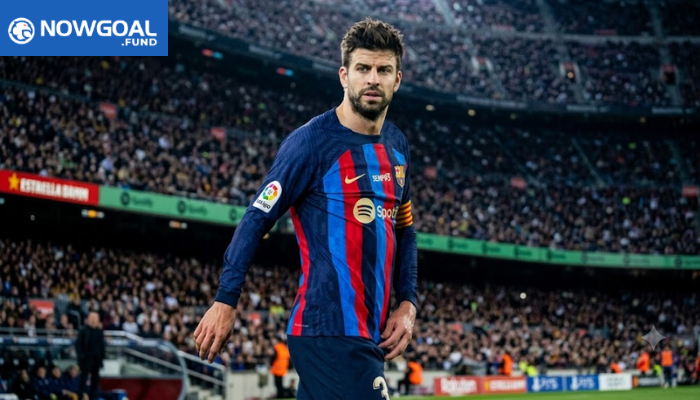
The legacy of Gerard Pique is inextricably linked to the identity of his home region and the club he served for the majority of his life. He was more than a player; he was a representative of a specific footballing culture that prioritizes technique over brute force. This connection with fans created a unique bond that transcended results, making him a central figure in the social fabric of the city. For those who appreciate the historical context of football, his career represents the golden age of a philosophy that conquered the world. He remained loyal to his roots, even when lucrative offers from other leagues were on the table.
In addition, his outspoken nature and willingness to engage with social and political issues made him a polarizing but respected figure. He never shied away from expressing opinions, which added complexity to his public persona. A significant portion of his appeal came from this authenticity, as fans felt they were seeing the real person behind the athlete. This transparency is rare in the modern era of managed PR images, and it served to humanize him in the eyes of the public. He proved that an athlete can be a multifaceted individual with interests and convictions that extend far beyond the white lines of the pitch.
Analyzing the Statistical Dominance of Elite Defenders
When looking at the numbers, the consistency of Gerard Pique over nearly two decades is remarkable. His trophy cabinet is one of the most decorated in history, including multiple league titles, domestic cups, and international honors. These achievements are a testament to his durability and ability to maintain high standards year after year. For those who utilize data from Nowgoal to evaluate player greatness, his metrics in ball progression and successful interceptions place him in the top percentile of all-time greats. He was a player who didn’t just participate in winning teams; he was a fundamental reason for their success.
Mastering the art of defense requires a blend of physical tools and intellectual curiosity, both of which he possessed in abundance. He was a student of the game, constantly adapting his approach to counter the evolving tactics of opposing managers. This adaptability allowed him to remain relevant in an era where many contemporaries struggled to keep up with the increasing speed of the game. Another key aspect of his longevity was his professional approach to fitness and recovery, which enabled him to compete at the highest level well into his thirties. He left the game on his own terms, leaving behind a void that is difficult to fill.
Conclusion
The impact of such a storied career is felt long after the final whistle has blown and the boots have been hung up. Aspiring defenders continue to watch clips of his matches to learn the nuances of positioning and the timing of a perfect challenge. He redefined what it means to be a center-back in the 21st century, proving that elegance and toughness are not mutually exclusive. For the latest insights on how modern tactics continue to be influenced by his legacy, you can visit https://nowgoal.fund/tin-tuc-2/ to stay informed on the world of football. The journey of this legendary player serves as a reminder that true greatness is measured by both the trophies won and the standard set for those who follow. Sign up today to access detailed breakdowns of the most prominent names in the game.